Unlocking the potential of affiliate marketing is a journey, not a sprint. This guide provides a comprehensive roadmap to help you navigate the world of affiliate marketing, from novice to earning $10,000. We’ll explore diverse strategies, platforms, and crucial steps to achieve your financial goals. We’ll cover everything from choosing the right niche to optimizing conversion rates.
From setting up your affiliate business to scaling operations, this guide acts as your practical companion. Learn how to generate traffic, build a loyal audience, and cultivate multiple income streams. We’ll delve into the intricacies of Amazon affiliate marketing, comparing it with other options and providing actionable insights.
Introduction to Affiliate Marketing
Affiliate marketing is a performance-based marketing strategy where individuals or businesses (affiliates) promote other companies’ products or services and earn a commission for each sale or lead generated through their unique affiliate links. This model leverages the power of recommendations and referrals, creating a win-win situation for both the affiliate and the merchant. It’s a cost-effective way for businesses to expand their reach and for affiliates to earn income by sharing their expertise and connecting with their audience.This process often involves driving traffic to a merchant’s website, creating compelling content, and generating conversions.
The affiliate’s unique link tracks sales and provides valuable data on customer behavior. The core principle revolves around generating revenue by referring customers.
Different Types of Affiliate Programs
Various affiliate programs cater to diverse needs and interests. These programs often vary in their commission structure, payment methods, and required promotion strategies. Some common types include:
- Product-based affiliate programs: These programs involve promoting physical or digital products, such as books, software, or online courses. Commission structures often depend on the product’s price point and the affiliate’s marketing efforts. Examples include promoting eBooks on Amazon’s affiliate program or digital courses on platforms like Udemy.
- Service-based affiliate programs: These programs focus on promoting services, such as web hosting, travel packages, or financial services. Commission structures can vary based on the service and the affiliate’s ability to generate qualified leads.
- Lead-generation affiliate programs: These programs focus on generating leads for businesses by promoting services or products that require initial customer interaction. This can be done through landing pages or by providing value to potential customers before they even purchase. Examples include lead generation for insurance companies or financial planning services.
Common Affiliate Marketing Platforms
Several platforms facilitate affiliate marketing activities, connecting affiliates with merchants. These platforms provide a centralized hub for managing affiliate links, tracking sales, and receiving payments.
- ClickBank: A well-established platform offering a wide array of products across various niches. It is known for its robust system for managing affiliate accounts and offers a large marketplace for both affiliates and merchants.
- ShareASale: A platform that provides a wide range of affiliate programs and a significant number of merchants. It’s renowned for its extensive marketplace and comprehensive reporting tools, making it a popular choice for both large and small affiliates.
- Commission Junction (CJ): A global affiliate network that offers numerous programs and robust tracking features. It boasts a large network of merchants and a diverse selection of products, catering to various affiliate needs.
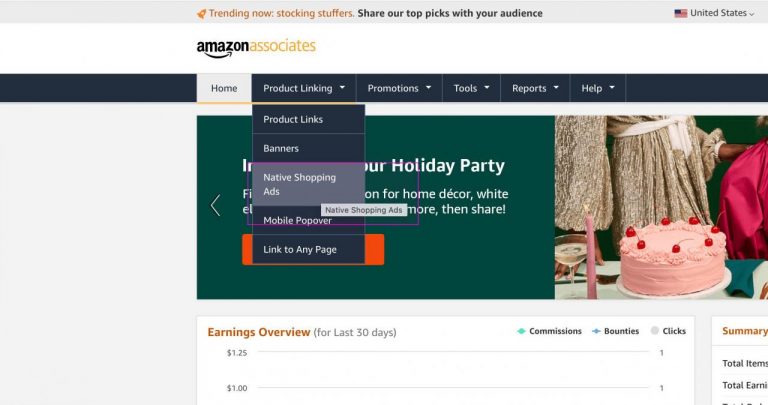
- Amazon Associates: Amazon’s affiliate program, a widely recognized and trusted platform. Affiliates can promote a vast selection of products, leveraging Amazon’s established brand and customer base. This platform is known for its ease of use and extensive product catalog.
Benefits and Drawbacks of Affiliate Marketing
Affiliate marketing offers significant advantages and challenges. Understanding both sides is crucial for successful participation.
- Benefits: The flexibility and freedom of working from anywhere, low startup costs, and potential for high earnings are some notable advantages. It also allows affiliates to leverage their existing expertise or niche to connect with their target audience. The ability to generate passive income is also a key benefit.
- Drawbacks: The high competition, reliance on consistent effort, and need to develop strong marketing skills are key challenges. The lack of guaranteed income and the need for constant adaptation to market trends are also critical considerations.
Comparison Table of Affiliate Marketing Platforms
| Platform | Commission Structure | Target Audience | Key Features |
|---|---|---|---|
| ClickBank | Typically high commissions on products, varying by product | Affiliates looking for high-paying products and merchants seeking high-conversion leads | Large selection of products, robust tracking tools, good support |
| ShareASale | Commission structures vary widely by merchant | Affiliates interested in a broad range of products and merchants seeking a diverse range of marketing channels | Extensive product selection, comprehensive reporting, and various tools for affiliate management |
| Commission Junction (CJ) | Commission structures vary by merchant | International affiliates and merchants seeking global reach | Global reach, broad product selection, and robust analytics |
| Amazon Associates | Commission percentages vary by product category | Affiliates interested in promoting products from a well-known e-commerce platform | Large product selection, existing customer base, and easy-to-use platform |
Setting Up Your Affiliate Marketing Business
Getting started in affiliate marketing requires a structured approach. Choosing the right niche, developing a strong online presence, and creating engaging content are crucial steps. This section will detail the necessary steps to establish a successful affiliate marketing business, from selecting a profitable niche to building a website and creating high-quality content.
Choosing the Right Niche
A well-defined niche is essential for success in affiliate marketing. A niche allows you to focus your efforts and attract a targeted audience. Broader niches might seem attractive, but they often lead to a dispersed audience and less impactful marketing efforts. Instead, concentrate on a specific area where you can build expertise and attract customers genuinely interested in your recommendations.
This increases the likelihood of conversions and generates better results. Consider your interests and passions, as this will contribute to the overall engagement and success of your affiliate marketing journey.
Essential Tools for Affiliate Marketing
Effective affiliate marketing relies on the right tools. These tools can streamline your processes, improve your content, and optimize your results. The choice of tools should be tailored to your specific needs and goals. A well-rounded set of tools can enhance your overall performance and contribute to the success of your affiliate marketing campaigns.
- Website Builder: Platforms like WordPress, Wix, and Squarespace simplify website creation, offering templates, design tools, and functionalities for building a professional online presence. They often include e-commerce capabilities, enabling you to sell products directly or manage affiliate links seamlessly.
- Affiliate Marketing Platforms: These platforms, like ClickBank, ShareASale, and CJ Affiliate, connect you with various affiliate programs and products. They provide tools for tracking commissions, managing your affiliate links, and generating reports on your performance.
- Email Marketing Tools: Tools like Mailchimp, ConvertKit, and Constant Contact enable you to build an email list, nurture leads, and communicate with your audience effectively. Email marketing plays a crucial role in building relationships and driving sales.
- Social Media Management Tools: Platforms like Hootsuite, Buffer, and Sprout Social help you manage multiple social media accounts, schedule posts, and track engagement. This enables consistent social media presence, crucial for building brand awareness and driving traffic to your affiliate links.
- Analytics Tools: Google Analytics and similar platforms provide valuable insights into website traffic, user behavior, and campaign performance. These insights are critical for optimizing your strategies and improving conversions.
Setting Up a Dedicated Website
A dedicated website is a cornerstone of any successful affiliate marketing business. It provides a central hub for your audience, allowing you to share valuable content, build relationships, and drive sales. Building a website can be broken down into a step-by-step process.
- Choose a domain name and hosting: Select a relevant domain name that reflects your niche and choose a reliable hosting provider to ensure website accessibility and performance.
- Choose a website platform: Decide on a platform (like WordPress) and install it on your hosting. This will serve as the foundation for your website’s content and functionality.
- Design your website: Design a visually appealing and user-friendly website that aligns with your brand and niche. Ensure the website is mobile-responsive, which is crucial for reaching a wider audience.
- Create high-quality content: Produce informative and engaging content related to your chosen niche. This will attract and retain your target audience, encouraging engagement and driving sales.
- Integrate affiliate links: Strategically place affiliate links within your website’s content to allow you to earn commissions on sales.
- Promote your website: Promote your website through various channels, including social media, email marketing, and optimization, to drive traffic and generate sales.
Creating High-Quality Content
High-quality content is paramount in affiliate marketing. Engaging, informative, and well-researched content attracts and retains your audience. This builds trust and credibility, leading to higher conversion rates.
- research: Identify relevant s that resonate with your target audience. Use these s strategically throughout your content to improve search engine visibility.
- In-depth research: Thoroughly research the products or services you’re promoting to provide accurate and valuable information to your audience. Avoid misleading or inaccurate information.
- Valuable insights: Share your expertise and insights related to your niche, demonstrating your knowledge and authority to your audience.
Essential Affiliate Marketing Resources
Various resources can assist in your affiliate marketing journey. A well-defined set of resources can support your efforts and lead to increased success.
- Affiliate marketing communities: Online communities dedicated to affiliate marketing offer valuable insights, support, and networking opportunities.
- Affiliate marketing blogs and podcasts: Stay updated with the latest trends and strategies through industry blogs and podcasts.
- Affiliate marketing courses and training programs: Structured learning programs provide in-depth knowledge and practical strategies to enhance your affiliate marketing skills.
- Industry experts: Learn from experienced affiliate marketers and gain valuable insights from their success stories.
Generating Traffic and Leads
Driving traffic to your affiliate links is crucial for success in affiliate marketing. Understanding and implementing effective strategies for attracting visitors and converting them into leads is key to maximizing your earnings. This involves a multifaceted approach, including organic and paid methods, and a deep understanding of your target audience.
Strategies for Driving Traffic
Attracting visitors to your affiliate links is essential for generating leads and sales. A variety of methods can be employed, from optimizing your website for search engines to utilizing social media platforms. Careful consideration of your target audience and their online behavior is paramount to selecting the most effective strategies.
- Content Marketing: Creating valuable and engaging content is a cornerstone of successful affiliate marketing. This content should address the needs and interests of your target audience, providing helpful information or entertainment while subtly incorporating affiliate links. Blog posts, articles, videos, and infographics are all excellent formats for content marketing. For example, a fitness enthusiast could create a blog post about the best workout routines for beginners, then link to relevant fitness equipment or supplements as affiliates.
- Search Engine Optimization (): Optimizing your website and content for search engines like Google is a powerful way to attract organic traffic. Understanding relevant s, crafting compelling meta descriptions, and building high-quality backlinks are vital components of a successful strategy. A crucial aspect of is providing value to users, making your content worthy of appearing in search results.
- Social Media Marketing: Social media platforms offer valuable opportunities to connect with your target audience and drive traffic to your affiliate links. By engaging with users, sharing valuable content, and running targeted ads, you can effectively reach a large audience and build a loyal following. Examples include running contests, engaging in conversations, and posting high-quality images and videos.
- Paid Advertising: Paid advertising platforms like Google Ads and social media ads can quickly drive traffic to your affiliate links. However, these methods often require a budget and a well-defined strategy. Understanding your target audience’s online behavior and creating compelling ad copy is essential for optimizing your paid advertising campaigns. Precise targeting is crucial for maximizing ROI and avoiding wasted ad spend.
Techniques for Affiliate Websites
Implementing techniques is vital for increasing organic traffic to your affiliate website. The aim is to enhance visibility in search engine results pages (SERPs).
- Research: Identifying relevant s is fundamental for optimizing your website for search engines. Tools like Google Planner can assist in identifying high-volume, low-competition s that are relevant to your affiliate niche. Analyzing competitor s can provide valuable insights.
- On-Page Optimization: Optimizing individual web pages for relevant s is essential for improved search engine rankings. This includes optimizing title tags, meta descriptions, header tags (H1-H6), image alt text, and content itself. Focusing on user experience is crucial, as it influences search engine rankings.
- Off-Page Optimization: Building high-quality backlinks from reputable websites is crucial for improving your website’s authority and search engine rankings. Guest blogging, participating in online forums, and creating high-quality content that others want to link to are all effective strategies.
Social Media Marketing in Affiliate Marketing
Social media is an excellent tool for promoting affiliate links and engaging with your target audience. Crafting a strategy that resonates with your audience and promotes valuable content is essential for success.
- Platform Selection: Choosing the right social media platforms for your affiliate niche is essential. Understanding where your target audience spends their time online is key. For example, visual platforms like Instagram might be ideal for a fashion-related affiliate niche.
- Content Creation: Creating engaging content that resonates with your target audience is vital. This might include informative articles, entertaining videos, or interactive posts. Ensure that your content aligns with your brand identity and resonates with your audience.
- Community Engagement: Engaging with your followers is crucial for building relationships and fostering loyalty. Responding to comments, participating in discussions, and running contests can all strengthen your social media presence.
Paid Advertising Options
Paid advertising allows for rapid scaling of traffic to your affiliate website. A well-structured strategy is crucial to avoid unnecessary spending.
- Google Ads: Google Ads allows for targeted advertising based on s and demographics. Creating effective ad copy and landing pages that convert visitors into leads is essential.
- Social Media Ads: Social media platforms offer targeted advertising options based on demographics, interests, and behaviors. This enables precise targeting of your ideal audience.
Comparison of and Social Media Traffic Generation Strategies
| Strategy | Benefits | Drawbacks | Implementation |
|---|---|---|---|
| Long-term, sustainable traffic; cost-effective (in the long run); high potential for conversions; builds brand authority | Time-consuming; requires ongoing effort; not immediate results; algorithm changes can affect rankings | research; on-page and off-page optimization; content creation; link building | |
| Social Media | Fast results; direct engagement with audience; highly targeted advertising options; builds brand awareness | Requires consistent effort to maintain engagement; algorithm changes can impact reach; reliance on platform popularity | Content creation; community management; targeted advertising; platform selection; engagement with audience |
Achieving $0 to $10,000 in Affiliate Earnings
Reaching $10,000 in affiliate earnings is a significant goal, but achievable with focused effort and strategic planning. The journey requires a multifaceted approach encompassing traffic generation, targeted niche selection, effective product promotion, and consistent optimization. This section details the timeline, earning potential, strategies, and crucial steps for success in this field.
Timeline for Reaching $10,000
There’s no fixed timeframe for achieving $10,000 in affiliate earnings. Success depends heavily on individual dedication, the chosen niche, marketing prowess, and the quality of the products promoted. While some individuals may reach this milestone in a few months, others might take longer, often needing several months or even a year to build a sustainable income stream. The key is consistent effort, meticulous tracking, and adaptability to market changes.
Factors such as initial investment, the complexity of the niche, and the existing competition play a crucial role in the timeline.
Average Earning Potential
The average earning potential in affiliate marketing varies significantly. A substantial portion of affiliates earn less than $1000 annually, while a smaller percentage earns well above $10,000. Factors such as the chosen niche, the quality of the product or service promoted, the marketing skills of the affiliate, and the investment in marketing efforts significantly impact earning potential. There’s no universal average; success hinges on proactive efforts and strategic choices.
Strategies for Increasing Affiliate Commissions
Several strategies can enhance affiliate commissions. Diversifying product offerings is essential. Promoting multiple products or services within a relevant niche broadens income sources and reduces dependence on a single product. Furthermore, offering exclusive discounts or bonuses incentivizes customers to make purchases. A well-structured affiliate program with attractive incentives often leads to higher commissions and increased conversions.
Creating Multiple Income Streams
Creating multiple income streams in affiliate marketing allows for diversification and resilience. This involves expanding the product range, exploring different niches related to the existing expertise, or creating complementary products or services. For example, an affiliate marketing expert in the fitness niche could explore affiliate marketing opportunities in nutrition, workout equipment, or even online fitness classes. This strategy helps build a more sustainable and resilient income stream, minimizing risk associated with market fluctuations.
Optimizing Conversion Rates
Conversion rate optimization is a crucial aspect of affiliate marketing. Optimizing website design, landing pages, and product descriptions can improve user engagement and conversion rates. Implementing A/B testing on different variations of these elements helps pinpoint the most effective strategies. Ensuring clear calls to action, high-quality visuals, and persuasive content significantly impacts conversion rates. Furthermore, ensuring product descriptions are comprehensive, well-written, and address customer needs will boost conversion rates.
3-Month Plan to Reach $10,000 in Affiliate Earnings
| Week | Strategies | Tasks | Expected Outcomes |
|---|---|---|---|
| 1-4 | Niche Selection & Traffic Generation | Identify a profitable niche, research high-converting products, create a blog or website, implement strategies, utilize social media marketing | Build a foundational website presence, establish a targeted audience, generate organic traffic to the site |
| 5-8 | Content Creation & Product Promotion | Develop engaging content relevant to the niche, write product reviews, create compelling landing pages, implement email marketing strategies, promote products through social media | Attract a relevant audience, increase engagement, convert leads into sales, build email list |
| 9-12 | Conversion Optimization & Scaling | Conduct A/B testing on landing pages, improve product descriptions, analyze conversion data, optimize website for mobile, explore paid advertising options, diversify traffic sources | Enhance conversion rates, expand traffic sources, generate higher sales volume, establish consistent sales pipeline |
Amazon Affiliate Marketing
Amazon’s vast online marketplace presents a compelling opportunity for affiliate marketers. Leveraging the platform’s established customer base and extensive product catalog, affiliate marketers can generate substantial income by promoting eligible products. This approach is particularly attractive due to the high volume of traffic and established trust Amazon enjoys.
The Amazon Affiliate Program
The Amazon Associates Program allows individuals and businesses to earn commissions by promoting Amazon products. Affiliates receive a percentage of the sale price for each qualifying purchase made through their unique affiliate links. This commission structure is a core component of the program and varies based on product category and the seller’s own policies.
Benefits of the Amazon Affiliate Program
- Extensive Product Catalog: Amazon boasts a massive selection of products across various categories, offering a broad range of options for affiliate promotion.
- High Customer Trust: Amazon’s established brand recognition and reputation for reliability contribute to higher conversion rates for affiliate links. Consumers are more likely to trust purchases made through an Amazon affiliate link compared to less established sites.
- Built-in Traffic: Amazon’s enormous user base provides a significant traffic pool for affiliate marketers to tap into, without needing to build a significant following or audience of their own.
- Established Infrastructure: Amazon’s sophisticated payment processing and customer service systems streamline the affiliate process, minimizing administrative burdens for participants.
Drawbacks of the Amazon Affiliate Program
- High Competition: The sheer number of Amazon affiliates vying for commissions creates a competitive landscape. Standing out and attracting significant traffic requires dedicated effort and strategic approaches.
- Commission Structure: Commissions vary widely by product category, with some products offering lower earning potential compared to others. Thorough research is vital to identify opportunities that offer reasonable return on investment.
- Limited Control: Affiliates have limited control over the presentation of products and the customer experience on Amazon. This lack of control can influence conversion rates, making effective presentation critical.
- Amazon Policies: Adherence to Amazon’s policies and terms of service is paramount. Violation of these guidelines can result in account suspension, potentially jeopardizing future earnings.
Key Strategies for Success with Amazon Affiliate Marketing
- Niche Selection: Identifying a specific niche within Amazon’s vast product catalog is essential for targeting a focused audience and standing out from the competition. This could include focusing on a particular product type, like gaming accessories, or a specific audience, such as new parents.
- High-Quality Content Creation: Crafting informative and engaging content, such as reviews, comparisons, or tutorials, that highlight the value proposition of promoted products is crucial. This can significantly increase conversion rates.
- Effective Link Placement: Strategic placement of affiliate links within content is important to maximize exposure without seeming intrusive or spammy. Natural integration within the content flow is key to avoiding negative user experiences.
- Building an Audience: Developing a dedicated audience, whether through a blog, social media, or email marketing, can significantly increase the reach of affiliate links. Building a relationship with your audience is key to long-term success.
Comparing Amazon Affiliate Marketing with Other Programs
| Program | Commission Structure | Target Audience | Required Skills |
|---|---|---|---|
| Amazon Associates | Percentage of sale price; varies by product | Broad, diverse audience interested in online shopping | Content creation, , marketing |
| ClickBank | Fixed or tiered commissions; varies by product | Specific niches, often focused on digital products | Understanding of digital products, sales copy |
| ShareASale | Percentage of sale price; varies by product | Diverse audience; often broader than Amazon | General marketing, social media engagement |
| CJ Affiliate | Percentage of sale price; varies by product | Focus on business-to-business (B2B) sales, or other specialized niches | Strong business acumen, relationship building |
Setting Up an Amazon Affiliate Account
- Sign Up: Create an account on the Amazon Associates program website.
- Verify Information: Provide accurate and complete information for account verification.
- Select Products: Choose products to promote based on your niche and target audience.
- Generate Links: Generate unique affiliate links for the products you select.
- Promote Products: Use your affiliate links to promote products through various channels, such as your blog, social media, or email marketing.
Key Metrics and Tracking

Understanding and meticulously tracking key metrics is crucial for optimizing affiliate marketing campaigns and achieving desired results. Effective monitoring allows you to identify areas for improvement, measure the effectiveness of strategies, and ultimately, boost your earnings. By closely analyzing data, you can fine-tune your approach and gain a deeper understanding of what resonates with your audience.
Essential Metrics for Affiliate Marketing
A comprehensive understanding of key metrics provides a roadmap for success. Different metrics offer insights into various aspects of your campaigns, from the initial traffic generation to final conversions. Consistent monitoring and analysis are critical for sustained growth and profitability.
| Metric | Definition | Importance | Tracking Method |
|---|---|---|---|
| Click-Through Rate (CTR) | The percentage of people who click on your affiliate link after viewing your content. | Indicates the effectiveness of your content in attracting clicks. Higher CTR suggests better engagement and relevance. | Use analytics tools like Google Analytics, affiliate networks’ dashboards, or custom tracking links. |
| Conversion Rate | The percentage of visitors who complete a desired action (e.g., purchase, sign-up) after clicking your affiliate link. | Measures the effectiveness of your affiliate marketing strategy in driving conversions. A higher conversion rate indicates a more compelling offer and a better user experience. | Track via affiliate network platforms, website analytics, or custom tracking codes. |
| Cost Per Acquisition (CPA) | The average cost incurred to acquire a paying customer through your affiliate links. | Indicates the profitability of your campaigns. Lower CPA signifies more efficient spending and higher returns. | Calculate by dividing total affiliate marketing expenses by the total number of conversions. |
| Average Order Value (AOV) | The average amount spent by a customer on a single purchase. | Crucial for assessing the overall value of your affiliate marketing efforts. Higher AOV translates to higher potential earnings. | Use sales data to calculate the average transaction value. |
| Return on Investment (ROI) | The profit generated from your affiliate marketing efforts in relation to the investment made. | Measures the overall profitability of your campaigns. Higher ROI signifies a more effective strategy and a greater return for your efforts. | Calculate by dividing the total profit by the total investment and expressing the result as a percentage. |
Tracking Affiliate Sales and Conversions
Effective tracking is paramount for evaluating campaign success and making data-driven decisions. Detailed tracking allows for precise analysis of campaign performance, enabling you to identify successful strategies and pinpoint areas for improvement.Accurate tracking involves employing tools and techniques to meticulously monitor the flow of traffic, clicks, and conversions. Using dedicated affiliate links and tracking codes is essential for monitoring the impact of each promotional activity.
Analytics Tools for Affiliate Marketing
Various tools facilitate the monitoring and analysis of affiliate marketing data. These tools provide insights into crucial metrics, enabling you to optimize your strategies and improve performance.
- Google Analytics: A powerful web analytics tool that provides comprehensive insights into website traffic, user behavior, and conversion rates. It’s invaluable for tracking website traffic, understanding user behavior, and identifying areas for improvement in your affiliate marketing campaigns.
- Affiliate Network Platforms: Many affiliate networks provide their own dashboards with detailed performance reports, offering valuable data on clicks, conversions, and earnings. They often provide specific tracking tools and reporting tailored to their network.
- Custom Tracking Links: Create unique links for each affiliate campaign or product to accurately measure the performance of different promotional strategies. This allows for granular tracking and analysis of individual campaign effectiveness.
Optimizing Campaigns with Data
Data analysis plays a vital role in refining and improving your affiliate marketing strategies. Understanding the patterns and trends in your data is key to identifying what’s working and what needs adjustment.By consistently analyzing data, you can make informed decisions to optimize your campaigns and maximize your earnings. This iterative process of analysis and adjustment allows for constant improvement in your affiliate marketing strategy.
Analyzing Marketing Data for Improvements
Thorough analysis of marketing data is essential for identifying trends and patterns to improve campaign effectiveness. Analyzing data from various sources enables a holistic view of your campaigns, offering actionable insights for improvement.By focusing on key metrics and patterns in your data, you can optimize your campaigns and maximize your potential earnings.
Scaling Your Affiliate Business
Successfully transitioning from a nascent affiliate marketing venture to a thriving enterprise hinges on strategic scaling. This involves more than simply increasing the volume of work; it requires a systematic approach to expanding your reach, optimizing your processes, and building a sustainable model for long-term growth. A key element of this scaling process is understanding and implementing various strategies to amplify your efforts and maximize your earnings.
Strategies for Scaling Your Affiliate Business
Effective scaling strategies involve a multifaceted approach. Building a loyal audience is paramount. This audience serves as your core support system and driving force for growth. Content creation is another critical area, requiring consistent and high-quality output to maintain engagement and attract new followers. Finally, leveraging automation and potentially building an affiliate marketing team are essential for handling increased workload and expanding your reach.
Building a Loyal Audience
Cultivating a loyal audience goes beyond simply attracting followers. It’s about fostering genuine connections and creating a community around your brand. This involves providing valuable content, responding to comments and inquiries promptly, and engaging in meaningful conversations with your audience. Building a loyal audience translates to higher trust and credibility, leading to increased conversions and stronger word-of-mouth referrals.
This, in turn, drives sustainable growth and positions your affiliate business for lasting success.
Scaling Content Creation
To scale your content creation effectively, a strategic approach is essential. This entails planning your content calendar in advance, which helps ensure a consistent flow of high-quality material. Identify recurring themes and topics that resonate with your target audience. Creating a content calendar with a diverse range of formats, such as blog posts, videos, social media updates, and infographics, is beneficial for maintaining audience engagement and encouraging varied consumption habits.
Leveraging content repurposing strategies, such as transforming blog posts into videos or creating social media graphics from existing content, can help maximize your efforts and reach a broader audience. Furthermore, consistently analyzing your content performance and adapting your strategies based on data is crucial for optimization.
Building an Affiliate Marketing Team
Building an affiliate marketing team is a significant step in scaling your business. It involves carefully selecting individuals who possess the necessary skills and share your commitment to success. Recruiting individuals with experience in content creation, social media management, or other relevant areas will significantly enhance your team’s effectiveness. Defining clear roles and responsibilities for each team member ensures a streamlined workflow and prevents overlapping efforts.
Implementing a robust communication system for seamless information exchange among team members is crucial. This will help in streamlining operations and enhancing efficiency.
Automation in Affiliate Marketing
Automation plays a crucial role in streamlining your affiliate marketing processes. Tools for automating tasks such as social media posting, email marketing, and lead nurturing can free up your time to focus on more strategic aspects of your business. This allows you to scale your operations efficiently and maintain a high level of productivity. Integrating various automation tools into your workflow ensures smooth operations and enhances overall performance.
This can involve using tools for scheduling posts, managing customer interactions, or analyzing data to optimize campaigns.
Strategies for Scaling an Affiliate Marketing Business
| Strategy | Description | Benefits | Challenges |
|---|---|---|---|
| Content Calendar Planning | Developing a structured plan for creating and publishing content. | Consistent content output, improved audience engagement, better organization. | Requires upfront planning and discipline, potential for content fatigue if not diverse. |
| Audience Segmentation | Dividing your audience into distinct groups based on shared characteristics. | Targeted marketing, improved conversion rates, more effective campaigns. | Requires data analysis and understanding of audience segments, potential for misidentification. |
| Affiliate Network Expansion | Exploring and joining multiple affiliate networks to increase product diversity. | Wider product selection, expanded reach, potentially higher commissions. | Requires thorough research of each network, management of multiple affiliate programs. |
| Team Building | Hiring and training a team to manage various aspects of the business. | Increased productivity, specialized skills, expanded reach. | Requires recruitment, training, and management processes, potentially higher overhead costs. |
Final Conclusion
This guide has provided a detailed overview of affiliate marketing, focusing on the path to earning $10,000. We’ve covered essential aspects, from initial setup and traffic generation to advanced strategies for scaling and optimization. Remember that consistency, strategy, and adaptation are key to success in this dynamic field. By following the actionable steps Artikeld, you’ll be well-positioned to navigate the complexities and unlock your potential in the world of affiliate marketing.
Frequently Asked Questions
How long does it typically take to earn $10,000 from affiliate marketing?
There’s no set timeframe. Success depends on factors like niche selection, effort, and consistency. While some may achieve it quickly, others might take several months or even longer.
What are some common pitfalls to avoid in affiliate marketing?
Choosing a niche without sufficient research, neglecting quality content creation, and not tracking performance are common pitfalls. It’s crucial to stay focused and persistent.
What is the best way to choose a profitable affiliate niche?
Research high-demand products or services, consider your interests, and analyze competitor strategies to identify a niche with potential. Thorough research is key.
What are some tools for tracking affiliate marketing performance?
Several tools exist, such as Google Analytics, affiliate marketing platforms, and dedicated analytics software, which allow you to track sales, conversions, and other key metrics.